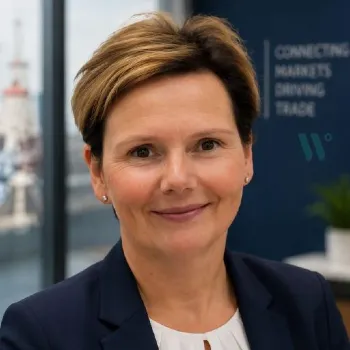
The breakbulk sector plays a vital role in global trade, enabling the movement of complex and oversized goods that keep industries running and major projects on track. As the industry evolves, new technologies, sustainable practices, and smarter supply chain solutions are opening exciting opportunities. This conference is your chance to keep track with new developments and ongoing challenges.
|
Content director: Janet Nodar Janet Nodar is a well-respected business journalist and conference content director who spent more than two decades covering breakbulk and project cargo for the Journal of Commerce by S&P Global and related publications. She now works on special industry-related projects. |
|
|
Host: Siska Schoeters Siska Schoeters is a Belgian radio and television presenter with over two decades of experience in broadcasting. She has hosted numerous popular programs on VRT, including 'Durf te Vragen' ('Dare To Ask') and Radio 2 Zomerhit, and is known for her versatility, authentic style, and engaging presence. |
It has never been more important for breakbulk shippers, carriers, ports and logistics service providers to possess timely, sophisticated market and business intelligence. Our opening keynote will share the latest global insights affecting the breakbulk shipping world in this high-level presentation, providing tools to help industry members to navigate uncertainty, rising costs, and changing policies in a challenging era of global trade.


Steel manufacturers are breathing a sigh of relief as newly-approved EU trade measures promise to reinforce tariff-rate quota systems and protect against import surges. Industry and trade groups say these moves will protect EU steel manufacturing from global overproduction and surges of cheap imports. However, many pressures remain. Breakbulk and mixed-use terminals have seen erratic cargo flows that make investment planning difficult and have led carriers to rationalize port calls. Labor able to handle ever-more refined steel products is ever more difficult to recruit and train. And goals for green steel production remain elusive as clients shy away from higher costs. What does the map forward look like? Our panel of experienced industry members will share their insights during this panel session.



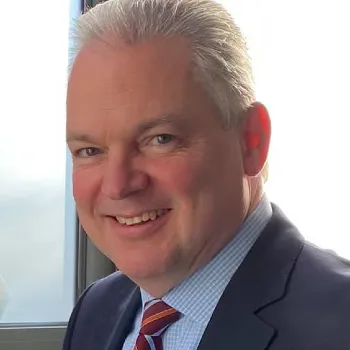
As the global economy evolves, the EU is shifting toward a sharper focus on self-reliance or “strategic autonomy” that includes energy generation and dissemination, protecting key industries, strengthening ports, and building stronger defense. The project and breakbulk cargo logistics supply chain will be directly affected by these efforts. This push will shape trade within and beyond the EU, which is also planning to fund strategic autonomy-related projects such as alternative fuels, decarbonization, productivity improvement, energy, and port upgrades, among others. Johan-Paul Verschuure, director and partner with the Rebel Advisory Port and Logistics team, will discuss these crucial new trends in detail.


Managing breakbulk and project cargo supply chain logistics has always been complex, but today the industry is moving quickly from one global disruption to the next. Strong global demand for energy infrastructure keeps project and breakbulk cargo moving, but owners and logistics service providers must also navigate shifting regulations, tariffs and shipping environments. Red tape and regulations add complexity. Our panel of industry experts will discuss the strategies and resources that help them thrive today and prepare for the future.


The global multipurpose fleet, including heavy-lift carriers, remains optimistic despite geopolitical turmoil and economic uncertainty, but high tariffs and quotas, opaque regulatory regimes and risky geopolitics complicate the picture. Cargo out of Asia, South America and other regions and into the EU and US are keeping the sector busy, but newbuilding orders remain low and the fleet seems satisfied with the status quo. Industry experts and members will discuss the fleet outlook and the implications for the breakbulk logistics market in depth.



Moving heavy equipment and oversized cargo from here to there has never been more challenging. Cargo transport always requires meticulous planning, but permitting and infrastructure weaknesses increase frustrations for the logistics service providers, including truck, engineered transport, barge and rail, who move heavy cargo across country and county lines in the EU. How can stakeholders plan for and streamline these roadblocks? Our industry experts and analysts will map out solutions and strategies at the Breakbulk Summit.



Europe’s short sea fleet carries an enormous and crucial percentage of coastal and inland cargo generated by a wide variety of industry, including raw materials, components, finished goods, breakbulk and project cargo. This fleet of diverse ship types is the backbone of European logistics. Regulatory compliance is increasingly challenging, especially for older vessels, but can newbuildings add sufficient capacity to replace them? Sector analysts and key operators will discuss short-sea shipping in depth.




Traditionally breakbulk cargo can be shipped many ways, depending on volumes, schedules, costs and capacity. However, all assumptions turned upside down during the extraordinary COVID-19 “spillover” market of 2021 and 2022. Container rates shot to breathtaking heights, ports were frozen by congestion, multipurpose and general cargo ships were piled high with laden containers, and ro/ro ships were chockablock with breakbulk. Assumptions about which cargo belonged on which vessel no longer held. What lessons remain from those turbulent days? Are we back to ‘set it and forget it’ logistics? Or have shippers added cargo-mode flexibility as a permanent part of their logistics arsenal? Our panel of carriers and industry experts will explore this topic.